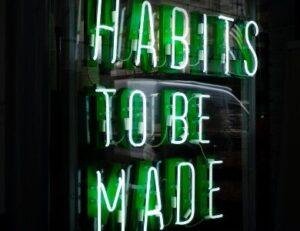
Why Most New Year’s Resolutions Don’t Work (and What You Can Actually Do About It)
On New Year’s Eve, the champagne is flowing, the confetti is flying, and somewhere between counting down from ten and making that dramatic “this year will be different” proclamation, millions of us commit to becoming better, fitter, calmer, richer, or just… different. We promise ourselves we’ll hit the gym every morning, learn Spanish, read 50 books, or finally, finally, stop doom-scrolling at 2 a.m.
Somewhere around April 15th, reality hits. The gym membership card gathers dust, the Duolingo streak is long dead, and the 50-book challenge has dwindled to one half-read thriller gathering spider webs on your nightstand.
Come May many of us have quietly retired our resolutions, shoving them into the dusty back corners of our minds where they sulk until next December.
So why does this happen? Why do our shiny New Year’s resolutions fizzle out faster than a soggy sparkler?
The Fantasy of the “New Year, New Me”, Fresh Start
There’s something magical about a new year. Midnight strikes, and suddenly, we feel the desire to reinvent ourselves completely. We make resolutions with the hope of dramatic transformation, imagining that everything will change in a single moment.
Change, however, isn’t magical. It’s incremental. Most resolutions are rooted in fantasy. We tell ourselves, “This year I’ll run a marathon, learn to cook Michelin-level meals, and finally become a morning person who meditates at dawn.” Ambitious? Sure. Achievable? Maybe… if you’re a superhero. Setting huge, sweeping goals without a plan is basically signing up for disappointment and explains the low success rate of New Year’s resolutions.
Think of it like trying to eat an entire cake in one bite. Technically possible, yes. Sustainable? Not a chance. Real transformation requires looking inward and understanding who we need to become to sustain changes. Otherwise, the result is messy, overwhelming, and leaves a lingering sense of failure instead of reflection and growth.
We Commit to Self-Improvement… That Fades
Gym floors in January resemble a sea of fresh-faced, enthusiastic humans, all decked out in matching sweatbands and colourful leggings. The trickle begins soon after, leaving only a few dedicated souls. Motivation behaves like a sugar rush intense at first but fading fast.
Brains are wired for comfort. Habits cling to the familiar, the easy, and the routine. Even with the best intentions, habits resist change. One day you imagine yourself as a morning runner; the next, your bed feels too comfortable, and the alarm is the enemy.
Consider weight loss efforts. You promise to eat clean or exercise daily. The first week is filled with energy and determination. But when life intervenes late nights, social invites, or small disruptions old patterns creep back. Even when you truly want a new version of yourself, the brain prioritises short-term comfort over long-term goals.
Social pressures can also undermine our efforts. Friends invite you for pizza, a colleague offers doughnuts, or travel disrupts your routine. Small interruptions snowball into full derailment if your plan isn’t flexible.
The solution isn’t sheer willpower. Willpower is finite, and motivation fluctuates like a rollercoaster. Instead, design habits with systems and cues that make following through easier. Lay out your workout clothes the night before, keep a meditation cushion in sight, or pair a new habit with an existing routine. Small nudges like these help you stay on track even when enthusiasm fades, making consistency far more achievable than relying on motivation alone.
Design habits with systems and cues that make following through easier
–Kenneth Kwan
Personal Growth Goals Are Often Set Wrong
A major reason resolutions fail is that goals focus on outcomes instead of behaviours. “I want to lose 10 kgs” sounds specific but is slow to change and can be demotivating. A behaviour-based goal like “I will walk 30 minutes every day” is tangible, actionable, and easier to track.
Unrealistic goals are another trap. Huge leaps, like vowing to run a marathon after months of inactivity, feel overwhelming and quickly drain motivation. Goals can also fail if they are externally motivated, created to impress others rather than driven by personal meaning. So many people start with “I should” instead of “I want to,” which makes commitment harder when life inevitably gets in the way.
Clarity matters too. Vague goals like “I’ll be healthier” or “I’ll be happier” give the brain no clear direction. Saying “I’ll eat better” may feel inspiring, but without a plan like swapping soda for water or adding vegetables to lunch it is almost impossible to act on consistently. Even seemingly small resolutions can stall if the behaviour behind them is unclear.
Another pitfall is treating goals as all or nothing. Missing a single day of exercise or eating one dessert does not equal failure, but many people give up entirely. Achievement is rarely perfect, and expecting it to be sets you up for disappointment.
A helpful strategy is to break big outcomes into smaller, actionable behaviours. Instead of aiming to lose 10 kgs in three months, focus on walking 30 minutes daily, drinking more water, or cooking a healthy meal three times a week. These smaller steps are measurable, realistic, and build momentum. Goals that connect to your personal values, are flexible, and focus on what you can control are the ones that actually succeed.
Look for small, consistent actions help you move forward. Example: Instead of saying “I want to read more this year,” try “I will read 10 pages every evening before bed.” Instead of “I will get fit,” try “I will take a brisk walk after lunch three times a week.” These micro goals make progress visible, keeping motivation alive and reducing the feeling of overwhelm.
Life Loves to Intervene And That’s Why New Year’s Resolutions Fail
Even perfectly set goals face everyday obstacles. Work deadlines, family responsibilities, unexpected illnesses, or sheer exhaustion can knock even the most determined resolution off track. The issue isn’t weakness or laziness. Resolutions often exist in a bubble, ignoring life’s messiness. Missing a day or a week can feel catastrophic if commitments are treated as all or nothing, prompting many to quit entirely.
Example: You decide to quit sugar. On day two, a colleague brings doughnuts to the office. You eat one, feel guilty, and suddenly the “I’ll never eat sugar again” pledge vanishes. Or imagine you’ve committed to morning runs, only to face a rainy day, an early meeting, and a cranky child all at once. Suddenly, the carefully crafted plan collapses, and the temptation to give up feels justified.
Life isn’t just inconvenient. It’s unpredictable. Travel, social events, stress, or unexpected emergencies can throw even the most disciplined person off course. That’s why flexibility is essential. Instead of punishing yourself for missing a day, see it as part of the process. One missed workout doesn’t erase improvement. One skipped meditation session doesn’t undo months of growth.
The key is to sit with reality, design your goals with available resources, and create systems that can survive interruptions. Break bigger resolutions into manageable projects, and consider how your plans interact with the world around you colleagues, friends, and family. Allocate a certain amount of flexibility for setbacks. Reflect on the past year to understand what routines you can realistically maintain. Life will always intervene, but resilient habits and realistic expectations allow progress to continue despite the chaos.
Hopes Are Not Enough for a New Beginning
Hope is delightful and makes us feel optimistic, but hope without systems is like trying to grow a garden by staring at a seed. Successful change depends on systems small, repeatable actions that create momentum.
Think of it this way: wishing you’ll get fit isn’t enough. You could wake up on January 1st convinced that this year will be different, but unless you schedule workouts, pack your gym bag the night before, and maybe even set a recurring alarm to remind yourself, the best intentions fade fast. Many people make resolutions with a high desire, yet struggle when everyday challenges arise.
Systems also help remove the reliance on fleeting motivation. Motivation is like a sugar rush exciting at first but short-lived. Systems, on the other hand, turn good behaviours into almost automatic habits. The more your environment and routines support your goal, the less you need to rely on willpower alone. For example, leaving your running shoes by the door makes it easier to lace up and go, and placing a savings tracker on your phone reminds you how much to spend wisely.
Even small systems compound over time. Meditating for five minutes every morning, taking a 10-minute walk after lunch, or reading one page a night might feel trivial at first, but these tiny, consistent actions add up to meaningful change. Reflecting on what worked and what didn’t last year can provide useful insights to design better systems for the year ahead.
Finally, systems protect you when life inevitably intervenes. Work gets busy, family obligations pile up, or you feel pressured and unmotivated. A well-designed system keeps the habit alive even on off days, making it far easier to return to consistency without guilt. In short, hope is the spark, but systems are the engine that drives real, lasting change.
What Actually Works for the Set Resolutions
The good news is that meaningful change is possible, but it requires intentions rooted in strategy rather than dramatic midnight declarations. Start small and stay consistent forget giant leaps. Want to exercise more? Begin with just ten minutes a day. Want to eat healthier? Swap a single sugary snack for fruit.
Small wins accumulate, build confidence, and fuel further progress. Focus on behaviour-based goals instead of abstract outcomes. Replace “I want to lose 10 kilograms” with “I will walk 30 minutes daily,” or “I want to write a book” with “I will write 300 words every morning.” Progress becomes visible quickly, keeping motivation alive and supporting meaningful conversations about your habits and priorities.
Building systems, not just goals, is equally important. Schedule behaviours, automate where possible, and design your environment to make the right choices easy keep floss by your toothbrush, lay out your meditation cushion the night before, or make healthy snacks readily available. Flexibility matters too; life happens, and missing a day doesn’t mean failure. Adjust, restart, and continue.
Finally, celebrate micro-wins and focus on identity. Three days of meditation in a row or a week of swapping sugary drinks for water deserve recognition and help maintain momentum. Frame resolutions around the person you want to become rather than just what you want to do. Replace “I want to run more” with “I am a runner,” or “I want to eat less sugar” with “I am someone who eats nourishing foods.” Identity-based habits stick because they reinforce self-image instead of temporary tasks, making the long-term journey far more achievable a key insight into why New Year resolutions fail when approached without planning.
Making the “New Me” Actually Happen with Better Habits
New Year’s resolutions aren’t doomed but they often fail because they rely on temporary motivation, fantasy, and all-or-nothing thinking. Real, lasting change happens when you start small, focus on behaviours, build systems, and embrace life’s inevitable messiness.
Take it from my own experience growing my training and speaking business. When I started, I could only run small-scale team-building programs. I had small ambitions and was happy earning a little money. But over time, I realised that to make a real impact on teams, I needed to work with their managers. So I acquired the skills, took that next small step, and expanded my reach. Later, I learned that solving deeper organisational problems meant engaging senior leaders and eventually, I was able to influence entire organisations. Along the way, I began speaking at conferences across 18 countries and even published my first book, Small Steps To Big Changes, teaching people how to create sustainable growth through consistent small wins.
The key throughout has been this: focus on one step at a time, win small, and win consistently. I don’t let myself get overwhelmed by everything I could do; I focus on what moves me one level higher. Too many people get paralysed thinking too big they freeze instead of starting.
Focus on one step at a time, win small, and win consistently
-Kenneth Kwan
So forget a long list of dramatic promises this year. Pick one small change whether it’s a short daily workout, journaling, or practising a new skill. Make it repeatable, trackable, and if possible, have an accountability partner to stay on course. Celebrate your small wins they matter more than you think.
When the confetti falls next year, your progress will be tangible, built one tiny, consistent step at a time. That version of “New Me” might not be flashy, but it works and isn’t that the kind of change worth celebrating?
Conclusion
Most New Year’s resolutions fail not because of lack of good intentions, but because they rely on fleeting motivation, unrealistic expectations, and all-or-nothing thinking. People set broad outcomes without connecting them to real, actionable behaviours or systems. Change doesn’t happen overnight it grows through small, consistent actions built into daily life. Creating systems that support new habits, defining clear behaviour-based goals, and embracing flexibility when life gets messy are what make lasting change possible. By focusing on incremental progress instead of dramatic declarations, you set yourself up for real transformation one repeatable action at a time.
Ready to turn your intentions into consistent progress?
Explore more strategies on building empowering habits and leading meaningful change at Deep Impact Online. Visit the Articles section to deepen your understanding and take small steps that lead to big results in your personal and professional life.
Kenneth Kwan is an internationally recognized Author, Global Leadership and Motivational Speaker, renowned for his ability to inspire and empower audiences worldwide. With over a decade of experience, he has spoken to leaders from 40 countries, helping transform cultures and shift mindsets within Multi-National Companies (MNCs) and Government Organizations. Kenneth’s expertise in solution-focused thinking and strategic planning has guided numerous businesses toward significant results and high-performance environments. Featured in esteemed media outlets like Channel News Asia and Malaysia's BFM89.9, his insights on leadership and motivation are highly sought after. Kenneth's book, "Small Steps To Big Changes," showcases his profound wisdom and practical strategies, making a lasting impact in lectures and training programs across the region.
Manage Consent
To provide the best experiences, we use technologies like cookies to store and/or access device information. Consenting to these technologies will allow us to process data such as browsing behavior or unique IDs on this site. Not consenting or withdrawing consent, may adversely affect certain features and functions.
Functional
Always active
The technical storage or access is strictly necessary for the legitimate purpose of enabling the use of a specific service explicitly requested by the subscriber or user, or for the sole purpose of carrying out the transmission of a communication over an electronic communications network.
Preferences
The technical storage or access is necessary for the legitimate purpose of storing preferences that are not requested by the subscriber or user.
Statistics
The technical storage or access that is used exclusively for statistical purposes.The technical storage or access that is used exclusively for anonymous statistical purposes. Without a subpoena, voluntary compliance on the part of your Internet Service Provider, or additional records from a third party, information stored or retrieved for this purpose alone cannot usually be used to identify you.
Marketing
The technical storage or access is required to create user profiles to send advertising, or to track the user on a website or across several websites for similar marketing purposes.

 Book Free Consultation