 Book Free Consultation
Organisations that thrive over the long term tend to share one defining characteristic: strong, consistent, and purposeful leadership. A robust leadership framework is not a luxury reserved for global corporations; it is a foundational pillar that every team, start-up, charity, and enterprise needs in order to achieve sustainable success.
According to a 2023 global leadership survey conducted by McKinsey and Company, organisations with clearly defined leadership development frameworks are 2.4 times more likely to outperform their competitors in the long run. Yet, staggeringly, only 11% of HR executives believe their organisation’s leadership pipeline is sufficiently strong to meet future demands (Deloitte Global Human Capital Trends, 2024).
This blog post serves as your comprehensive guide for understanding, building, and implementing a leadership framework that cultivates effective leadership at every level of your organisation. Whether you are an aspiring leader just beginning your leadership journey, an HR professional designing a leadership development programme, or an executive seeking to strengthen organisational culture, this guide has been written with you in mind.
What Is a Leadership Framework?
A leadership framework is a structured approach that defines the knowledge, skills, competencies, behaviours, and values required for effective leadership within an organisation. Think of it as an architectural blueprint a guide that supports building trust, fostering collaboration, driving employee engagement, and ultimately achieving organisational objectives.
A well-designed leadership development framework serves several critical purposes:
- Establishes a shared language around leadership expectations across the organisation
- Identifies leadership potential and succession pathways for career development
- Guides training sessions and continuous learning programmes
- Creates accountability and ongoing evaluation mechanisms
- Aligns leadership practices with the organisation’s core values and strategic direction
Unlike a generic management handbook, a leadership framework is deeply embedded in an organisation’s culture, making it unique, relevant, and actionable. It acknowledges that leadership is not a fixed destination but rather an ongoing process of growth, self-awareness, and continuous adaptation.
The Core Pillars of a Leadership Development Framework
Every effective leadership framework, regardless of industry or organisational size, rests on a set of foundational pillars. These pillars form the backbone of the leadership journey and define the competencies that leaders must master over the course of their careers.
Self-Awareness and Self-Management
Self-awareness is widely considered the most crucial starting point of any leadership development journey. Research published in the Harvard Business Review (2018) found that leaders with high self-awareness are 79% more effective at adapting to change and motivating their teams.
Self-awareness involves understanding your emotional triggers, leadership style, strengths, and blind spots. Self-management its essential companion competency is the ability to regulate your emotions, manage your time effectively, and act in alignment with your values even under considerable pressure.
- Practise reflective journalling to identify behavioural patterns over time
- Seek 360-degree feedback from peers, direct reports, and supervisors
- Engage in executive coaching or mentorship programmes
- Utilise psychometric assessments to understand personality dynamics
Strategic Thinking and Decision Making
Effective leadership demands that leaders think beyond day-to-day operations. Strategic thinking is the ability to anticipate future challenges, identify opportunities, and make decisions that align with long-term organisational goals.
A study conducted by PwC (2024) found that 83% of CEOs cite strategic thinking as the single most important leadership skill required for navigating today’s disruptive business environment. Strong strategic thinking involves:
- Analysing complex data to understand patterns and emerging trends
- Balancing short-term wins with long-term vision and purpose
- Managing risk whilst maintaining organisational agility
- Creating and communicating a compelling vision that inspires meaningful action
Clear Communication and Active Listening
Clear communication is not simply about speaking eloquently it is about ensuring your message is understood, acted upon, and aligned with team dynamics. Equally important is active listening, which builds the psychological safety needed for teams to collaborate effectively and contribute their very best work.
Effective leadership frameworks like Transformational Leadership, Servant Leadership, and Coaching Leadership improve performance and engagement by inspiring vision and empowering staff. Transparent communication involves sharing the rationale behind decisions, which can significantly boost job satisfaction.
According to Salesforce (2023), 86% of employees and executives cite the absence of effective communication as the primary cause of workplace failures. Leaders who master communication:
- Articulate goals and responsibilities with clarity and purpose
- Practise active listening without judgement or interruption
- Adapt their communication style to different stakeholders and contexts
- Use clear communication channels to reduce ambiguity and minimise conflict
- Encourage open dialogue, actively seeking input from all team members
Building Trust and Team Dynamics
Trust is the foundation of every high-performing team. Without it, collaboration breaks down, employee engagement suffers, and performance inevitably declines. Building trust requires consistency, transparency, and the courage to have difficult but necessary conversations.
Google’s landmark Project Aristotle, a comprehensive study of team performance revealed that psychological safety, which stems directly from trust, is the single most important factor determining team success. Leaders who invest in building trust:
- Honour their commitments and take ownership when things go wrong
- Create an environment where team members feel safe to take risks and speak freely
- Recognise contributions and celebrate team milestones meaningfully
- Navigate conflict constructively rather than avoiding or suppressing it
Emotional Intelligence and Empathy
Harvard Business Review (HBR) groundbreaking research on emotional intelligence (EQ) demonstrated that EQ accounts for nearly 90% of what differentiates high-performing leaders from their technically competent but less effective peers. Emotional intelligence encompasses self-awareness, self-management, social awareness, and relationship management.
Empathy, the ability to understand and share the feelings of others is increasingly recognised as a non-negotiable leadership competency. Leaders who lead with empathy are better equipped to motivate employees, manage diverse teams, and retain top talent in a competitive environment.
Key Leadership Competencies: The Skills Required to Lead
A leadership framework must clearly articulate the leadership competencies expected at each level of the organisation. Competencies are the observable, measurable behaviours that distinguish exceptional leaders from average ones.
| Leadership Level | Core Competencies | Development Focus |
| Aspiring Leaders | Self-awareness, communication, active listening | Personal growth, foundational skills required |
| Team Leaders | Team dynamics, decision making, collaboration | Building trust, employee engagement |
| Mid-Level Managers | Strategic thinking, performance management, mentoring | Leadership practices, creating culture |
| Senior Executives | Compelling vision, stakeholder management, change leadership | Organisational strategy, legacy, succession |
Mapping leadership competencies to specific roles and levels creates a transparent, equitable pathway for career development throughout the organisation. This mapping also supports talent identification — enabling HR teams and senior leaders to identify leadership potential early and invest in the right people at the right time.
Implementing a Leadership Development Framework: A Step-by-Step Guide
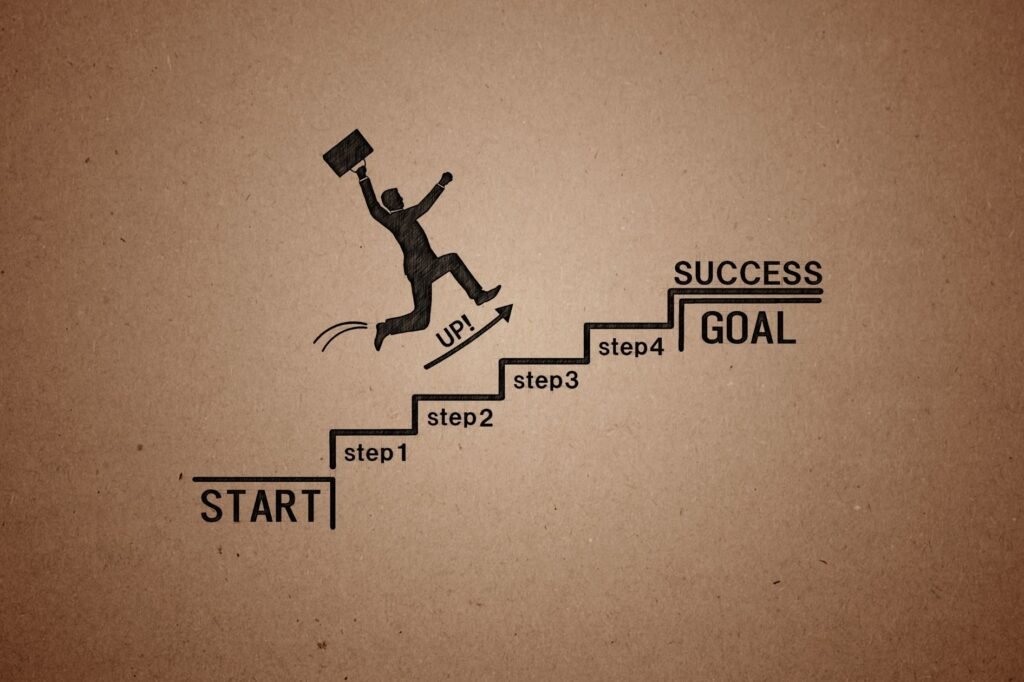
Implementing a leadership framework is not a one-time event it is an ongoing process that requires sustained commitment, adequate resources, and a willingness to adapt. Here is a proven, step-by-step approach for organisations of all sizes.
Step 1: Diagnose Your Current State
Before building anything, you must understand where you currently stand. Conduct a comprehensive leadership audit to identify gaps between your current leadership capabilities and the skills required to achieve your strategic objectives.
- Survey employees at all levels to understand perceptions of leadership effectiveness
- Review exit interview data for recurring leadership-related themes
- Analyse performance data to identify high-potential leaders within the organisation
- Benchmark your leadership practices against industry standards and best-in-class peers
Step 2: Define Your Leadership Philosophy and Core Values
Your leadership framework must be anchored in your organisation’s core values and leadership philosophy. What does great leadership look like in your organisation? What behaviours are non-negotiable? What values must every leader embody in their day-to-day conduct?
This step is foundational it ensures that leadership development is not generic training but deeply aligned with your culture and mission. Involving executives, managers, and frontline employees in defining these values builds genuine ownership and broad organisational buy-in.
Step 3: Design the Leadership Competency Model
With your philosophy and values as the guide, design a competency model that identifies the specific leadership competencies required at each level. Each competency should be defined with behavioural indicators — observable actions that demonstrate the competency in practice.
For example, the competency ‘Effective Communication’ might include behavioural indicators such as: communicates complex information clearly to diverse audiences; actively seeks and incorporates feedback; adapts messaging based on the needs of different stakeholders.
Step 4: Build Development Pathways and Training Sessions
Once competencies are defined, development pathways must be designed to help leaders build each competency progressively. These pathways should draw upon a blend of learning modalities that cater to different learning styles and professional contexts:
- Formal training sessions (workshops, online courses, executive education programmes)
- On-the-job development (stretch assignments, cross-functional projects, job rotations)
- Social and collaborative learning (mentoring, peer coaching, communities of practice)
- Self-directed learning (books, podcasts, reflection exercises, online resources)
Research conducted by the Centre for Creative Leadership (CCL) supports the ’70-20-10′ model: 70% of leadership development happens through on-the-job experiences, 20% through relationships and feedback, and only 10% through formal training. A strong leadership framework leverages all three dimensions simultaneously.
Step 5: Implement with Support and Resources
Even the best-designed framework will fail without adequate support from senior leaders, sufficient resources for implementation, and clear accountability structures. Executives must visibly champion the leadership development effort, model the desired leadership behaviours, and contribute actively to the programme’s continuous improvement.
Allocating budget for tools, coaching resources, and development programmes is essential. Clear ownership should be assigned to HR, talent management teams, and line managers to ensure the framework is embedded in day-to-day operations not merely trotted out during annual performance reviews.
Step 6: Ongoing Evaluation and Continuous Learning
A leadership framework is never truly ‘done.’ Organisations must build in mechanisms for ongoing evaluation to assess the framework’s effectiveness and adapt it to changing business needs. Key metrics might include:
- Employee engagement scores and 360-degree feedback results
- Leadership pipeline health indicators (succession readiness, internal promotion rates)
- Business performance metrics linked directly to leadership behaviours
- Participation and completion rates for training and development programmes
The most effective leadership frameworks are living documents regularly reviewed, updated, and refined based on feedback from leaders at all levels and the evolving needs of the organisation.
Leadership Practices That Drive Employee Engagement and Culture
No framework is worth the paper it is written on if it does not translate into daily leadership practices that create a positive, high-performance culture. Research consistently demonstrates that the quality of leadership is the single greatest driver of employee engagement across all industries and geographies.
Gallup’s State of the Global Workplace 2024 report found that only 23% of employees worldwide are genuinely engaged at work, a statistic that carries enormous implications for organisational performance, productivity, and profitability. Organisations with highly engaged employees achieve 21% greater profitability compared with those with disengaged workforces (Gallup, 2024).
Leadership practices that consistently drive engagement include:
Creating psychological safety: Leaders who encourage open dialogue, welcome failure as a learning opportunity, and create an environment where team members feel safe to speak up foster higher levels of engagement and creativity.
Recognising and rewarding contributions: Leaders who take time to acknowledge individual and team achievements both publicly and privately build a sense of ownership and motivate employees to contribute at their highest level.
Providing purpose and meaning: Employees who understand how their work contributes to the organisation’s mission and values are significantly more engaged. Leaders play a crucial role in connecting day-to-day tasks to the broader strategic direction.
Investing in career development: Leaders who actively support the career development of their team members through coaching, mentoring, and creating growth opportunities build loyalty and reduce costly employee turnover.
Modelling the values: Effective leadership is demonstrated, not merely declared. Leaders who live the organisation’s core values in every interaction set the tone for the culture they seek to create.
Challenges in Leadership Development — and How to Overcome Them
Even with a well-designed leadership framework in place, organisations face a range of challenges in developing effective leaders. Acknowledging these challenges and implementing clear strategies to address them is essential for long-term success.
Challenge 1: The Leadership Pipeline Gap
Forty-two per cent of organisations report having inadequate leadership pipelines (Brandon Hall Group, 2023). Addressing this gap requires organisations to identify high-potential leaders early, provide targeted development opportunities, and create visible career pathways that aspiring leaders can actively work towards.
Challenge 2: Resistance to Development
Some leaders resist development efforts, either because they feel too busy, do not see the value, or feel threatened by feedback. Overcoming this requires visible leadership from the top: when executives participate in and champion development programmes, it creates cultural permission for others throughout the organisation to do the same.
Challenge 3: Translating Learning into Behaviour Change
One of the most persistent challenges in leadership development is the transfer of learning: ensuring that insights from training sessions translate into lasting behavioural change on the job. Research suggests that without deliberate follow-through, up to 90% of learning from training is forgotten within a week, a phenomenon described by Hermann Ebbinghaus as the Forgetting Curve. Effective frameworks combat this through spaced reinforcement, coaching, peer accountability, and on-the-job application.
Challenge 4: Measuring Return on Investment
Leadership development is a significant investment, and organisations rightly want to understand the return. Whilst the ROI of leadership development can be difficult to quantify directly, proxy indicators such as employee engagement scores, retention rates, internal promotion rates, and team performance metrics provide meaningful evidence of impact. A structured approach to measurement strengthens the business case for continued investment and senior leadership support.
The Role of Technology in Modern Leadership Development
Technology is transforming how organisations develop leaders at scale. Digital learning platforms, AI-powered coaching tools, and data analytics are expanding the range of leadership development resources available — making it easier to personalise development pathways, track progress, and measure impact across entire organisations.
- Learning Management Systems (LMS) enable self-paced, on-demand access to training content
- AI coaching platforms provide real-time feedback and behavioural nudges between training sessions
- People analytics tools help HR teams identify patterns in leadership effectiveness and predict succession risks
- Virtual reality simulations immerse leaders in realistic scenarios, building decision-making and communication skills in a safe environment
Gartner (2024) predicts that, by 2027, 60% of organisations will use AI-powered tools as a central component of their leadership development frameworks. Whilst technology is not a replacement for human connection, coaching, and mentoring, it is a powerful enabler that can extend the reach and effectiveness of any leadership programme significantly.
Creating a Culture of Continuous Learning and Leadership
Ultimately, the most effective leadership framework is one that is embedded in a culture of continuous learning where leaders at every level are encouraged, expected, and rewarded for investing in their own development and the development of others.
Creating such a culture requires deliberate effort across multiple dimensions of organisational life:
Institutionalising learning: Build learning into the organisational rhythm through regular team retrospectives, leadership huddles, external speaker series, and dedicated learning time. When continuous learning is treated as a business priority rather than a nice-to-have, it becomes part of the culture’s very fabric.
Developing learning leaders: Train managers to act as learning facilitators, giving them the tools, language, and confidence to coach their team members, facilitate team learning conversations, and create an environment where curiosity is genuinely celebrated.
Celebrating growth, not just results: Organisations that only celebrate outcomes inadvertently punish risk-taking and experimentation. Recognising effort, learning, and growth alongside results encourages people to stretch, fail productively, and try again with renewed energy.
Building psychological safety: Psychological safety the belief that you will not be punished for speaking up is the bedrock of a genuine learning culture. Leaders who model vulnerability, admit their mistakes, and actively seek input create an environment where real learning can take place.
Leadership Development for Aspiring Leaders: Starting Your Journey
If you are an aspiring leader or someone who is early in their leadership role the breadth of what constitutes effective leadership can feel somewhat overwhelming. Where does one begin?
Here is a practical roadmap for starting your leadership journey with purpose and clarity:
1. Invest in self-awareness: Use assessments, journalling, and feedback to understand your default behaviours, values, and areas for growth. Self-awareness is the foundation upon which all other leadership competencies are built.
2. Seek out a mentor: Find someone whose leadership you admire and ask for their guidance. A mentor can shorten your learning curve, help you navigate challenges, and provide honest feedback within a supportive and trusting relationship.
3. Develop your communication skills: Practise clear, honest, and empathetic communication every day. Listen actively before you respond. Adapt your style according to your audience. Effective communication remains one of the most impactful skills any leader can develop.
4. Take ownership: Step up for responsibilities outside your formal job description. Volunteer for cross-functional projects. Demonstrate initiative, ownership, and a genuine willingness to contribute beyond what is expected of you.
5. Embrace continuous learning: Read broadly, attend workshops, listen to podcasts, and remain curious. The most effective leaders are lifelong learners who actively seek new perspectives and knowledge throughout their careers.
6. Build relationships intentionally: Leadership is fundamentally about relationships. Invest time in building genuine, trusting relationships with colleagues, stakeholders, and mentors at every level of your organisation.
Key Takeaways: Building Your Leadership Framework
A great leadership framework is not a document that sits on a shelf. It is a living, breathing system that develops leaders at every level, aligns individual growth with organisational strategy, and creates a culture where everyone can succeed.
Here is a summary of the key principles explored throughout this guide:
- A leadership framework provides the structured approach needed to develop the competencies, skills, and behaviours required for effective leadership.
- The foundation of any framework must include self-awareness, strategic thinking, clear communication, building trust, and emotional intelligence.
- Leadership competencies must be clearly defined and mapped to specific roles and levels in order to create transparent career development pathways.
- Implementation requires a multi-step process: diagnosing the current state, defining values, building competency models, creating development pathways, and establishing ongoing evaluation mechanisms.
- The most effective leadership development draws on the 70-20-10 model: on-the-job experiences, relationships and feedback, and formal training working in concert.
- Leadership practices that drive employee engagement such as building psychological safety, recognising contributions, and modelling values are the visible manifestation of the framework in daily organisational life.
- Continuous learning, supported by technology and a culture of curiosity, ensures that leadership development remains relevant and impactful in a rapidly changing world.
Conclusion: The Leadership Journey Is Never Over
Perhaps the most profound truth about leadership is this: it is never truly mastered. The finest leaders in the world, first-time team leaders to seasoned executives with decades of experience, share one defining characteristic: they remain committed to growth, self-reflection, and continuous learning throughout their careers.
A well-designed leadership development framework provides the architecture for that journey. It identifies the leadership competencies that matter most, maps the skills required to build them, creates the development pathways needed to support growth, and establishes the culture and structures required to sustain it over time.
One expert who embodies this philosophy is Kenneth Kwan, a globally recognised leadership strategist and author. Kenneth’s work emphasises that leadership is not a destination but a continuous evolution rooted in self-awareness, courage, and the deliberate practice of core leadership habits. He teaches that the best leaders don’t just respond to change they anticipate it, learn from it, and shape it. His perspectives remind us that leadership development isn’t an HR initiative; it’s a strategic imperative that fuels organisational resilience and long-term success.
Organisations that will thrive in the decade ahead are not necessarily those with the most advanced technology or the largest budgets. They are the ones that invest consistently, courageously, and deliberately in developing the leaders who will navigate complexity, inspire teams, build trust, and drive meaningful, lasting results.
Your leadership journey begins or continues today. Build your framework, develop your leaders, and commit wholeheartedly to the ongoing process of becoming the kind of leader your organisation and the world truly needs.
Partner with Deep Impact to transform potential into performance. Together, we’ll design leadership experiences that drive real, lasting impact—because the future belongs to leaders who evolve relentlessly.
Read More: Build a high-performing team through strong culture, effective leadership, and strategic planning